How to protect your work in the age of scraping and generative AI
Hey y’all. I’m taking this month to puzzle over something I’ve been meaning to puzzle over.
Do you remember a few months back when The Atlantic published that AI Watchdog tool for music? We discovered that AI companies like SUNO were using millions of copyrighted songs to train their generative AI models without permission. I watched several of my musician friends discover, in real time, that their work had been harvested without payment, a license, or — perhaps most importantly — consent.
It was deeply troubling, and obvious (to me anyway) that commercial AI developers represented a real threat to the livelihoods of musicians everywhere — livelihoods that were already on precarious ground as it was.
Naturally, I started thinking about protection. What can artists of all kinds do to prevent their work from being used against them in this way? How can we avoid being caught with our pants down? What tools of resistance are we working with?
After a bit of research, I’m happy to report that there are a few things we can do. I’ve tried to group them into 3 buckets, starting with the easiest actions and ending with the more difficult, long-term ones.
Before I get too far I should level set though. As far as I can tell there is no way to totally prevent your art from being scraped and used to train generative AI. Part of me went into this hoping there was a single off switch I could hit, but it ain’t really like that. Maybe one day it could be. As it is, a determined individual — or an unscrupulous corporation — will probably find a way to train on your art if they want to.
And there’s another reality: the livelihoods I’m interested in protecting depend on patronage in one form or another, and that requires us to share our songs, designs, and illustrations with audiences and potential clients. So the question becomes: how do we share our work without exposing it unnecessarily, and how can we mitigate the harm when we do?
Anyhow. Without further ado, here are a few things we can do to protect our art and our livelihoods in the year of our lord 2026.
Easier lifts / Immediate actions
Include AI restrictions in your contractThis is the lowest-hanging fruit. If you’re operating as a freelancer or one-person studio you likely have your clients sign some kind of agreement at the start of a project. (If you don’t, you should!) Consider adding something like this:
No AI Training or Generative Use
The client may not use, upload, submit, or provide the work, drafts, or source materials supplied by the designer to any generative AI or machine-learning system for training, fine-tuning, dataset creation, image generation or modification, style imitation, or creation of derivative or replacement assets without the designer’s written permission. Any such use is considered a separate usage and requires a separate written agreement and fee.
The goal here is to eliminate a grey area. Without language like this a client might assume that if you made them an illustration, they can use it to generate 50 more assets in the same style. Or if you’re a designer, they might feed your identity system, typography, and layouts into a system to generate a suite of marketing materials. In either case, the original work you created is making the generated work possible, and I think you should have a say in whether or not that’s okay. And if you decide it is okay, you should be compensated for it.
Update the language in your website footerThis is essentially taking the logic of the contract and applying it to your online portfolio. Something like this can easily be added to your site’s footer:
© 2026 Brent McCoryn. All rights reserved. The work on this site is copyrighted and may not be reproduced, scraped, collected, or used for AI training, dataset creation, generative AI inputs, or derivative works without prior written permission.
This doesn’t magically block bots or humans from scraping your portfolio. What it does do is create a piece of evidence. If you eventually find yourself objecting to a use of your work, you can point to this — alongside your contract and your original source files (see below) — and demonstrate that you expressly reserved certain uses. I should say that I’m definitely not a lawyer — so take my advice with several grains of sugar — but it seems pretty clear that you’re in a stronger legal position when you’ve explicitly stated your terms than when you haven’t.
Back up your workI bet most of you visual artists already do this. (Again, if you don’t, you should!) Up until now my reason for doing so was simply to prevent file loss. But there’s another benefit: backups help establish provenance (fancy wine word alert!), meaning you can demonstrate things like authorship, origination, and chronology. Your source files, sketches, drafts, and their creation dates can all help establish a record of how and when a work came into being.
This isn’t really a protective measure — it’s more useful if/when something has already happened. If you stumble across an image that is meaningfully similar to yours being used in an AI-generated campaign, that’s when having your original files and records becomes important.
Medium difficulty lifts / Medium-term actions
Minimize the data you shareI reckon a lot of us are already doing this one intuitively. There are different levels of how much of your work you actually need to put out into the World Wide Web. The more work you expose, and the more places you expose it, the more opportunities there are for it to be scraped.
There’s been a lot of good advice pointing in this direction anyway: sharing your work on third-party platforms makes you subject to their terms and conditions, while sharing work on the platforms you control — your website, your email list, etc — gives you more of a say over how and where that work is presented.
There’s no real need to put your entire body of work on Instagram. Your portfolio is a better place for that — for comprehensive case studies, more complete galleries, etc. Even there, you probably don’t need to upload enormous full-resolution files. Sharing a high-resolution file directly with a client you’re genuinely interested in working with is one thing. Making that same file publicly available to the internet at large is another.
The general principle here is this: minimize unnecessary exposure. If you don’t need to expose your work to forces that may abuse it, don’t.
Use tools that create technological friction selectivelyThis is sorta what got me interested in all of this in the first place — when I heard about Glaze and Nightshade, I thought maybe I had found that magical off switch. Alas, these technologies aren’t that, but they are still pretty awesome. A bunch of cool computer scientists at the University of Chicago made free software that helps artists protect their work from unauthorized AI training and scraping. Glaze makes tiny adjustments to the pixels of an image — imperceptible to human eyes, but potentially confusing to machine-learning models. This makes copying an artist’s style more difficult. Nightshade is a sister tool that takes a slightly more subversive approach.
The thing I’ve learned about this stuff though is that it isn’t a silver bullet. Technology is always changing, and AI developers are actively working on countermeasures and workarounds. So while tools like Glaze are undeniably cool, it’s probably best to think of them as one additional layer of friction, alongside things like limiting resolution or using watermarks. If you have time to apply something like Glaze or Nightshade — or Mist — to everything you make, great. If not, consider using it selectively on work you feel is especially valuable or vulnerable.
Difficult lifts / Long-term actions
Join and support your professional organizationsIf the Grapes of Wrath taught me anything, it’s that some problems can’t effectively be addressed on the level of the individual. They require collective action. That’s why it’s worth looking into organizations that are connected to your particular creative discipline. For designers and illustrators, I’m thinking of things like the Graphic Artists Guild. For musicians, something like United Musicians and Allied Workers. If you’re an actor, SAG-AFTRA has been doing good work in this area.
Professional organizations can help establish norms around model training, and shape expectations in the wider world about what constitutes acceptable use. They can explore licensing, rights, and compensation on a larger scale, and work on building the infrastructure that makes systems like that possible.
Finally, these organizations can advocate for changes in the law: things like disclosure requirements around AI training datasets, compensation for training use, and stronger enforcement mechanisms.
Make sure you’ve got your mind rightThe more I looked into all of this, the more I realized that protecting creative livelihoods might actually require us to zoom out a bit. Our strategies can’t hinge entirely on our ability to prevent AI from creating things that bear superficial similarities to our work. Maybe we shouldn’t just be asking “How can I prevent my work from being scraped?” but also “How can I make whether or not my work is being scraped less relevant?”
Here’s what I’m getting at. On a superficial level, AI and I do the same thing. We both “generate” album art. But if I think a bit more carefully, we do very different things. Creative people don’t just sell outputs. We create relationships with our clients and audiences. We offer our particularities in judgment, interpretation of need, and voice. What we actually do is surprisingly more expansive.
Even when I compare apples to apples — when I think only of outputs — there are still meaningful differences to be found. Generative AI and creative people may both be growing apples, but if that’s the metaphor, creative people are organic apple farmers. Our art is an organic product — we don’t merely grow songs or illustrations — we grow them in a particular way. Our way is natural, ethical, and rooted in craft. It also happens to be more environmentally responsible.
I think it’s worth remembering and accentuating these differences, especially when we’re marketing ourselves. To be sure, part of improving our lot is about active resistance, and fighting technological fire with technological fire. But it’s also about creating a world — and a world of potential clients — that values craftspeople, relationships, and process-oriented art. I guess this the work of shaping human desire. Seems hard, but also cool and interesting. If we as artists could do some of this work, the question of AI training becomes a whole lot less important, and in a really beautiful way.
Thanks for reading. Hope this helps. See ya next time.
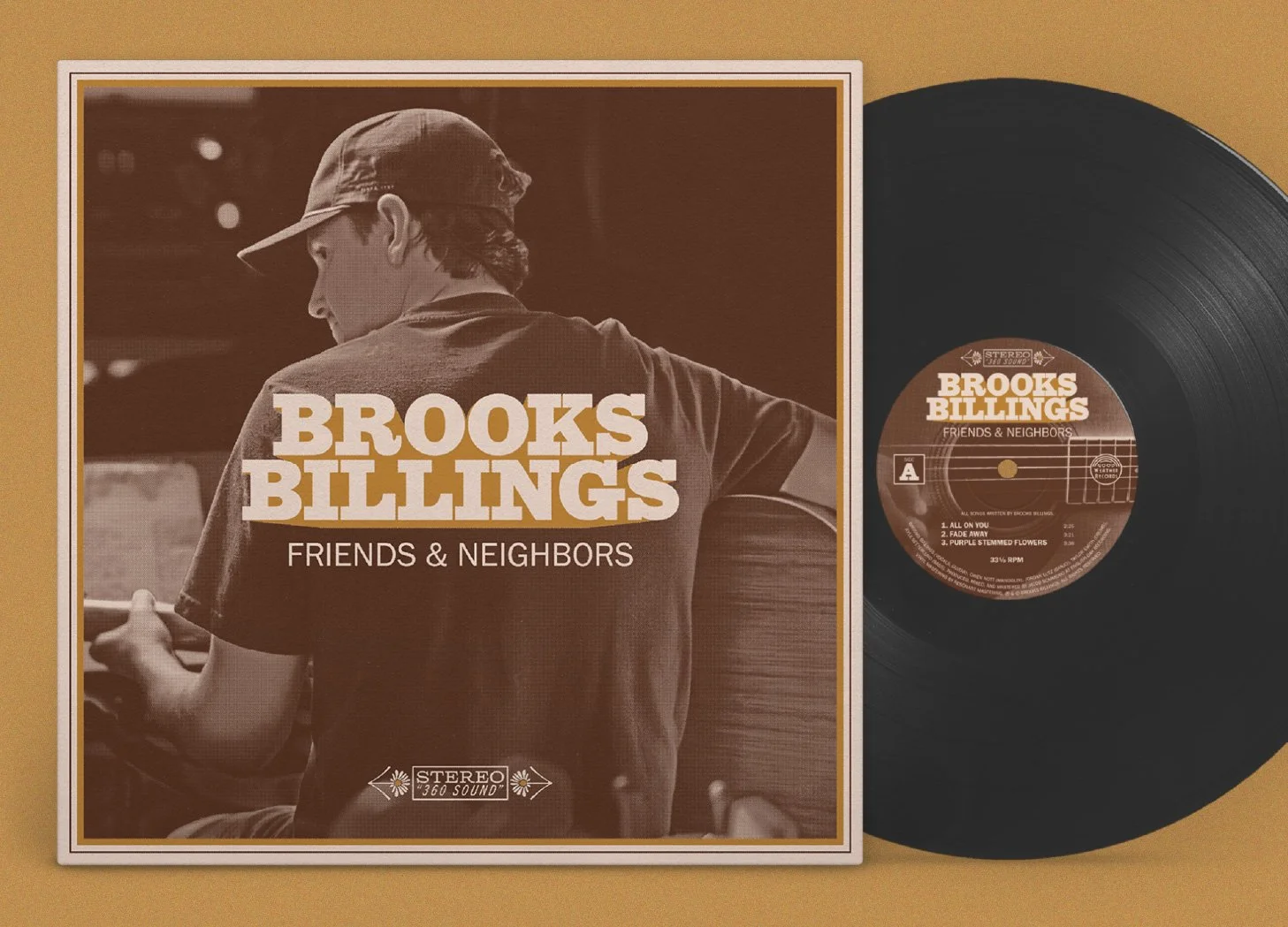
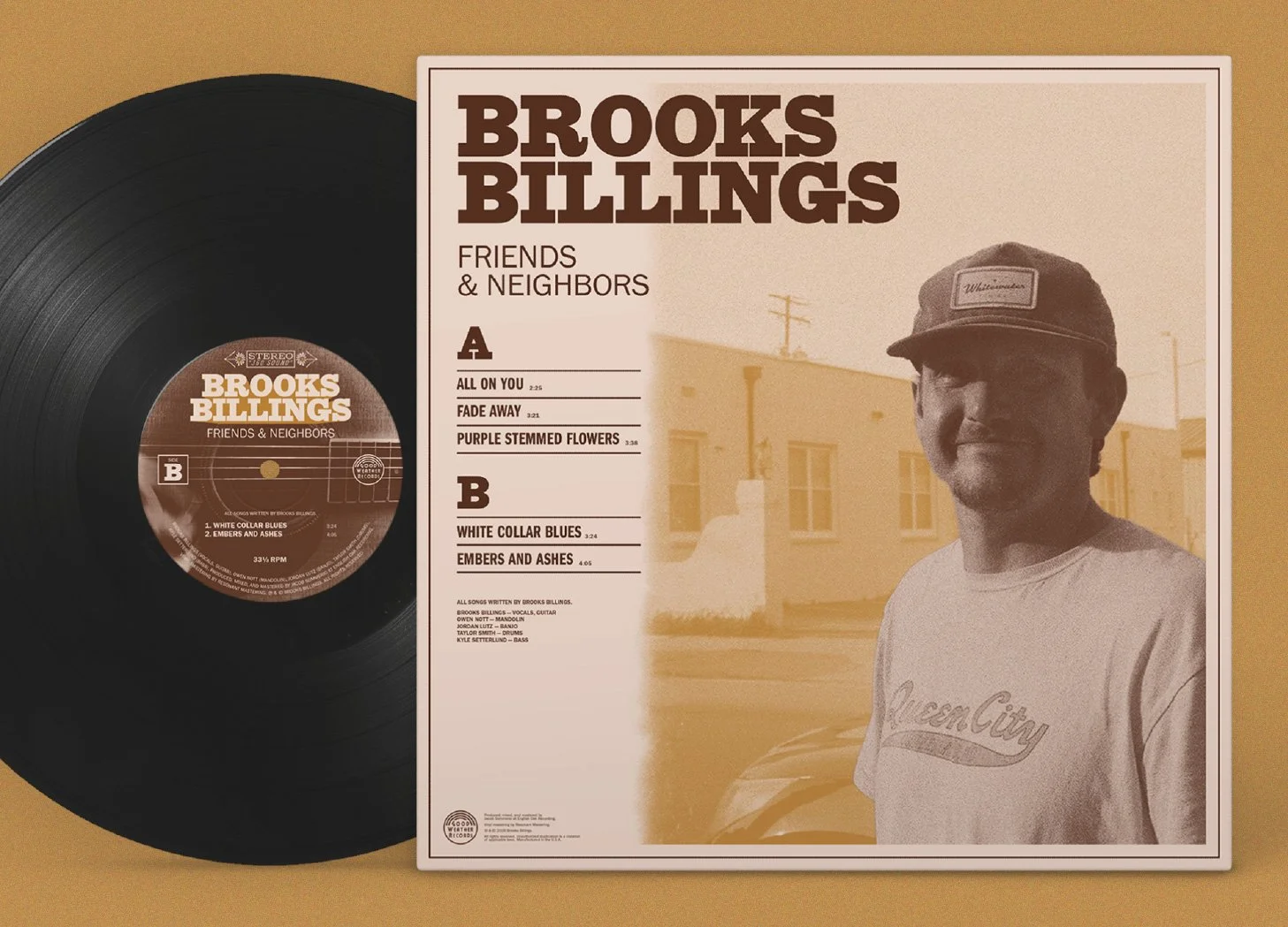
Recent Work
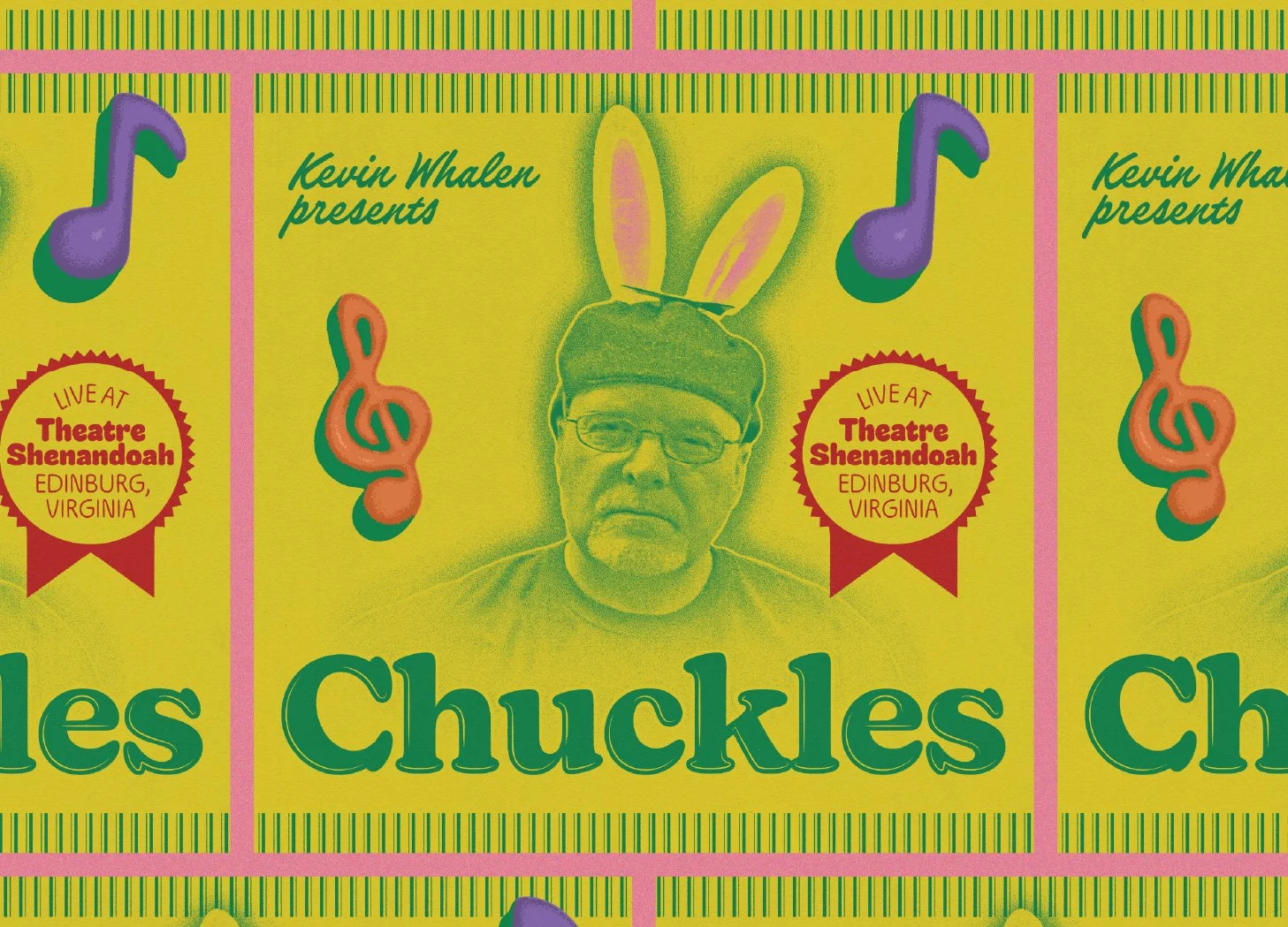
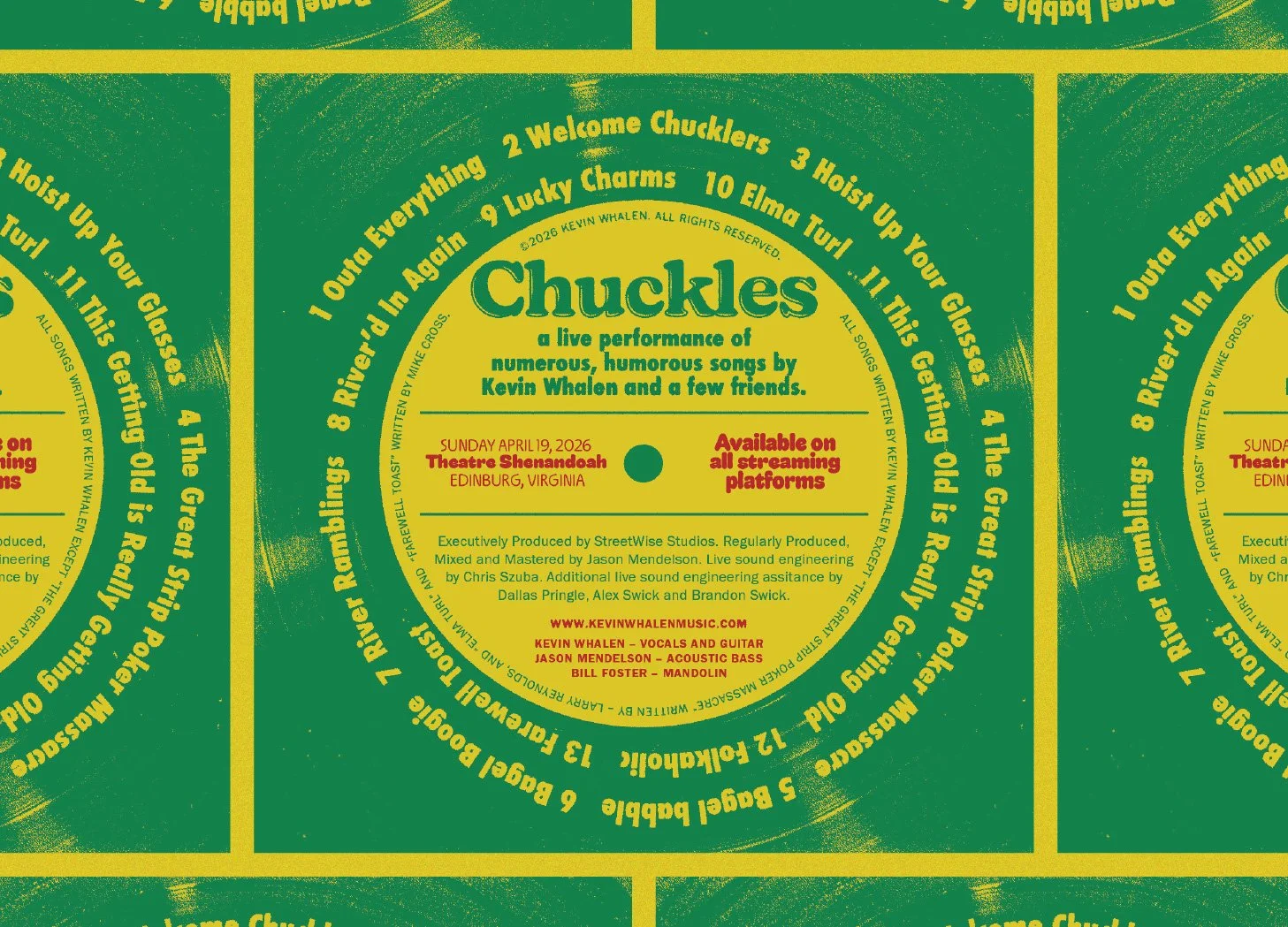
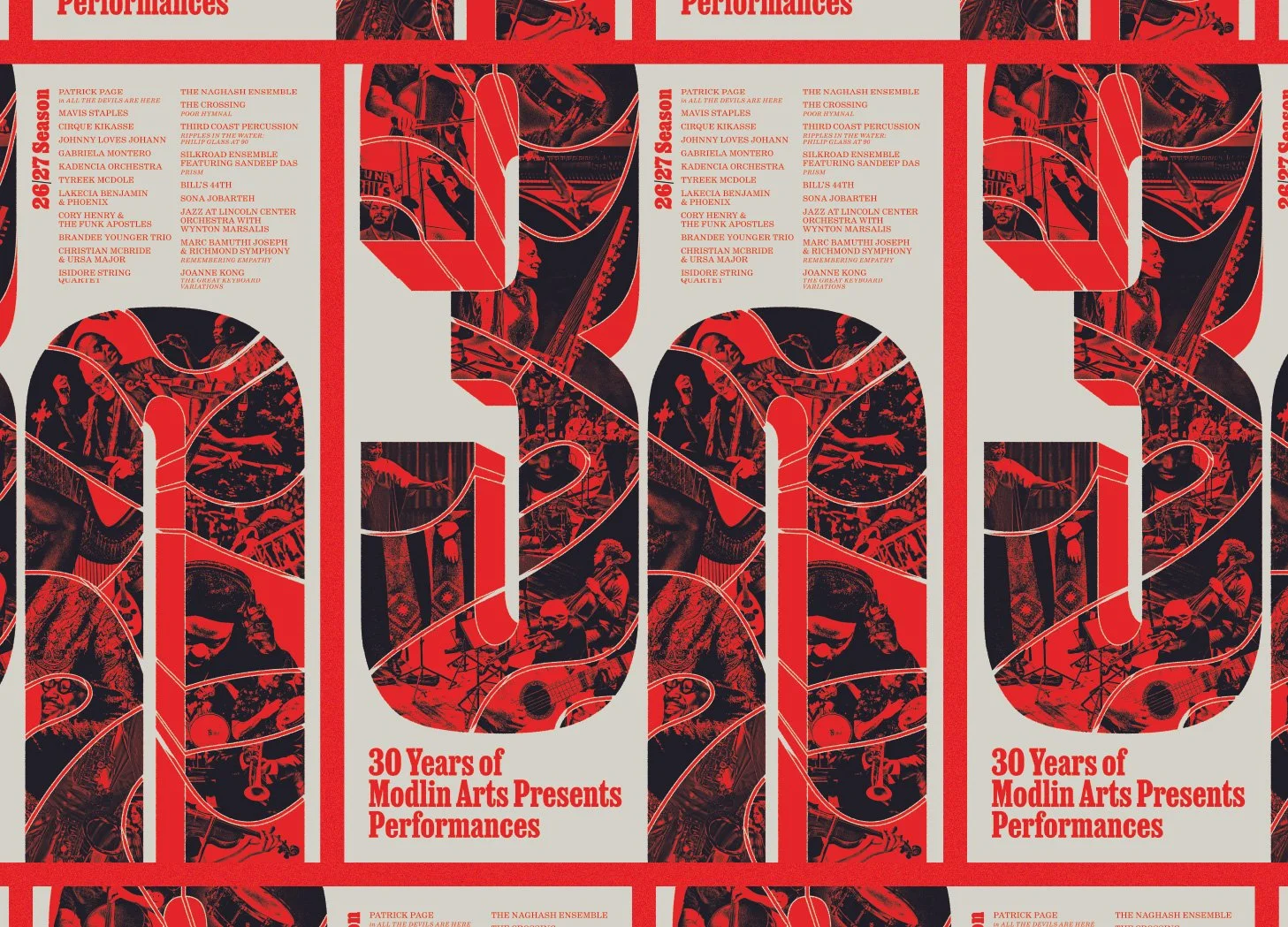
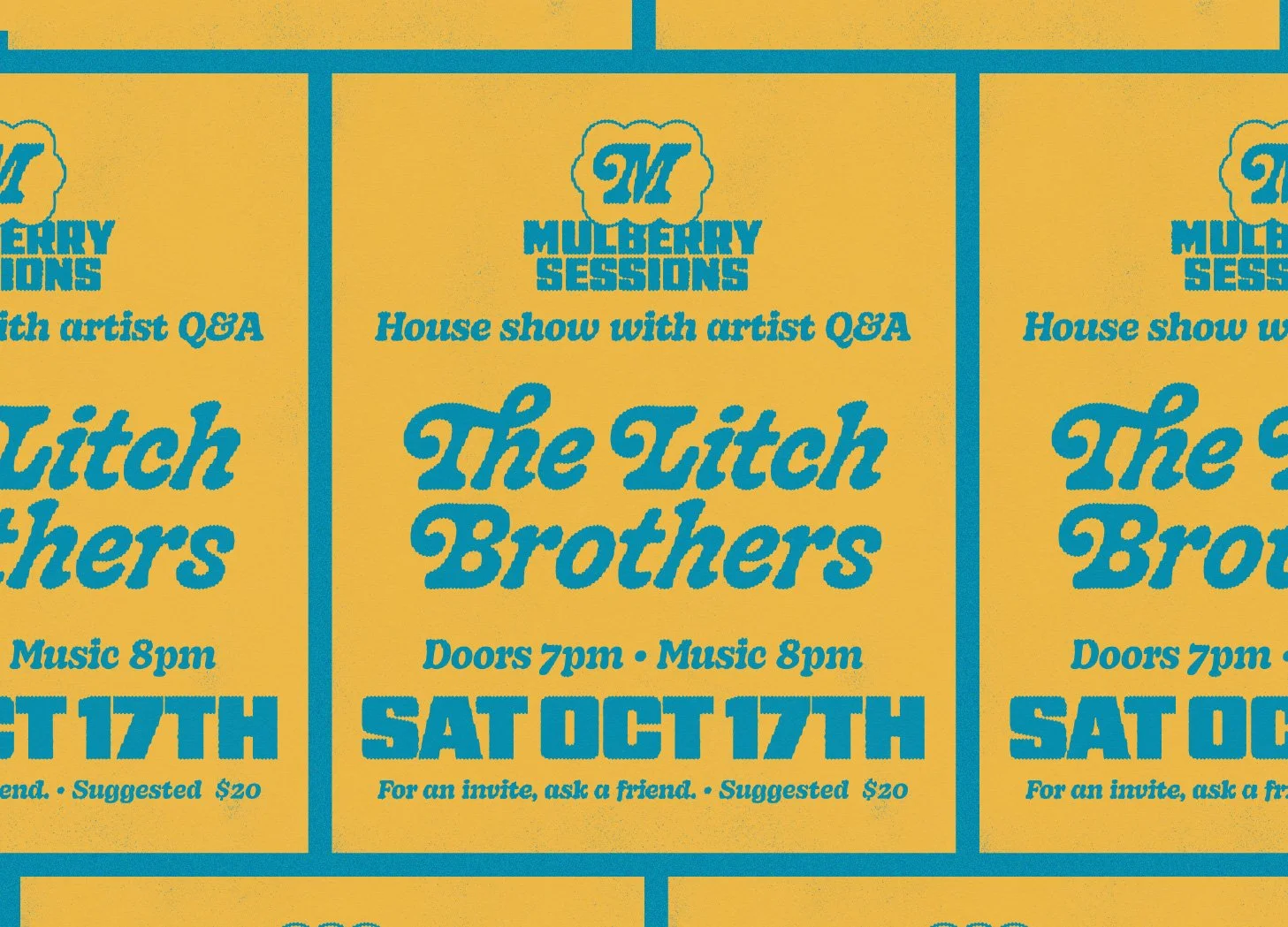
Some of what has recently flown the coop. To see more, you can always head over to the home page.
Whiskers on kittens
A few of my favorite things.
I was driving around listening to this in audiobook form and was floored. To what end? Then what?
My socks continue to be knocked by the beautiful work of Mike Krol.
Fun YouTube diversion: Ask Hank Anything. For fans of Hank Green, The Dropout Cinematic Universe, and nerdery writ large.